Wallacea Program
Description
The biogeographical area of Wallacea in Sulawesi, Maluku and Lesser Sundas lies between the continental shelves of Sunda and Sahul with an area of 33.8 million hectares. Globally, this region is known for its extraordinary endemism because the two continental shelves, which were connected about 25,000 years ago, are now separated by oceans creating a zone of isolation for the flora and fauna in it. Geographical and topographical forms are other defining factors contributing to the isolation.
Due to volcanic activity and subduction, the mainland of Wallacea is divided into thousands of small islands and several large islands which are separated by deep straits. The marine waters of this area and its surroundings, which form the Coral Triangle, have the richest marine biodiversity on earth. Overall, in this area there are 251 terrestrial KBAs and 74 marine KBAs.
The abundant biodiversity in the Wallacea Region is distinct from that of species in Asia, Australia and Papua New Guinea. Wallacea is home to 560 species, of which 254 are marine species, including 110 endemic marine species in the Critical (three species) and Critical (25 species) categories. Of the 697 bird species in this area, 249 of them are endemic with various rarity statuses.
The natural vegetation of the lowlands around the equator concentrated in Sulawesi and Maluku is evergreen and semi-deciduous forest, while the dry and often changing seasons of the Lesser Sunda subregion is dominated by deciduous forest. Most of these forest types have been cleared for agriculture, mining and construction. Other types of forest in Wallacea are bushland, swamp, ultramafic rock forest, savanna, grassland and mangrove. The island of Sulawesi, the area that contributes the most cover to Wallacea (56%), is located within the montane forest biome, which includes important plant endemic centers of Mount Latimojong and Bogani Nani Wartabone National Park.
Rainfall in this area has an impact on natural conditions, health and food availability. The northern part of Wallacea has two rainy seasons a year, while the southern region is more seasonal with a rainy season once a year and a long dry season. Water supply and management of catchment areas in small islands are important factors for economic development and the livelihoods of local communities.
The immediate causes of the main threats in Wallacea are grouped into two main categories. The first is overexploitation of natural resources such as illegal logging, unsustainable fishing, hunting and harvesting. The second category is habitat degradation, fragmentation and conversion including mining, oil and gas, industrial agriculture and forestry, small businesses in agriculture and livestock, urbanization, infrastructure and energy development. The expansion of the agricultural industry is mainly aimed at oil palm and sugar cane commodities.
Main Activities


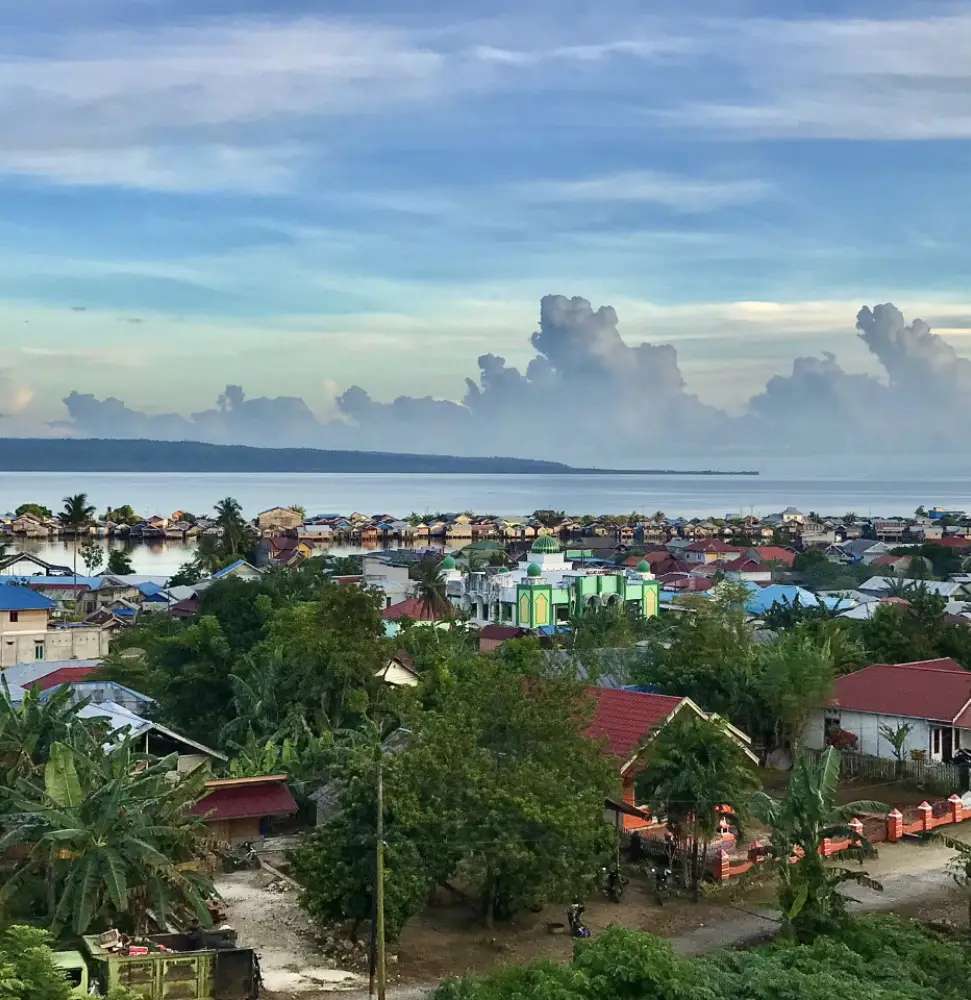
Banggai Islands
The Bangga marine area is located in the center of the Coral Triangle, which is the most diverse marine area in the world. Banggai also has a wealth of unique endemic biodiversity, which is reflected in the large number of KBAs in this area, namely six land KBAs and three marine KBAs.
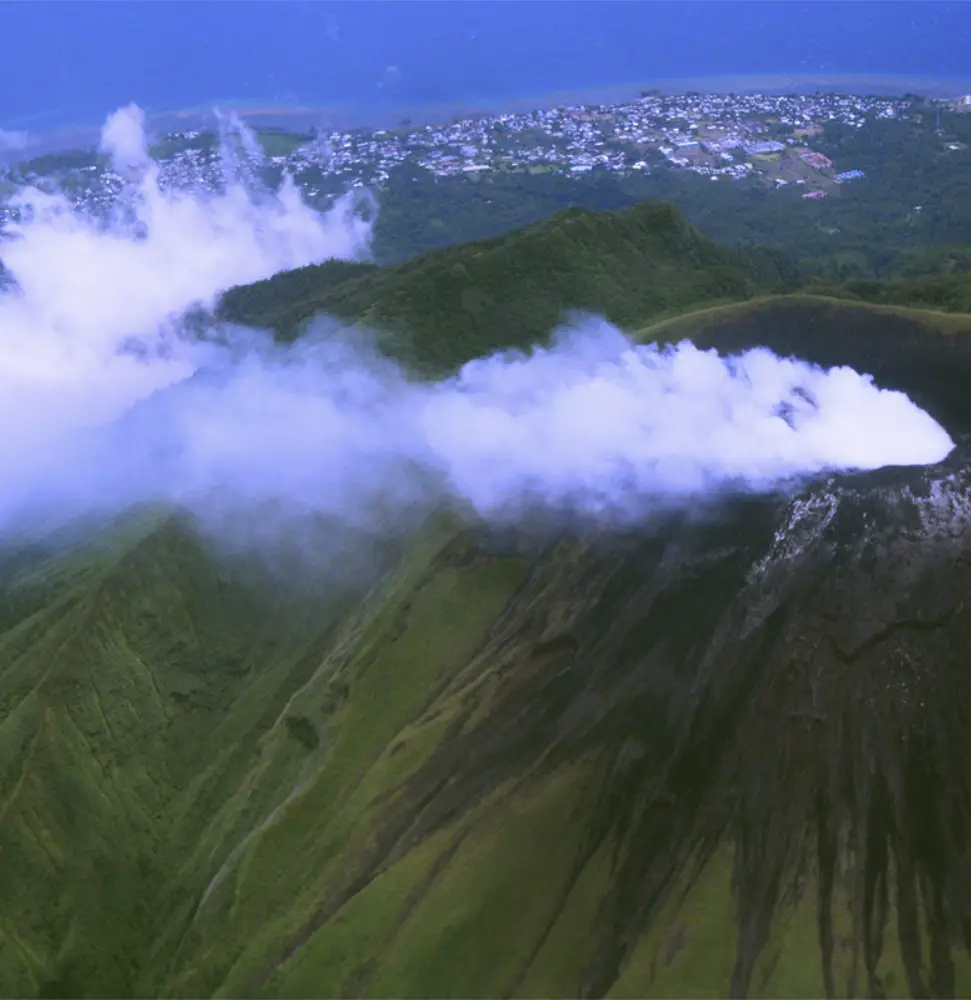
Halmahera
Halmahera Island is home to 252 species of birds, 26 of which are endemic to North Maluku, and four of which can only be found on Halmahera Island, namely the mandar gendang, the droopy kingfisher, the Halmahera kepudang, and the Halmahera sungut.
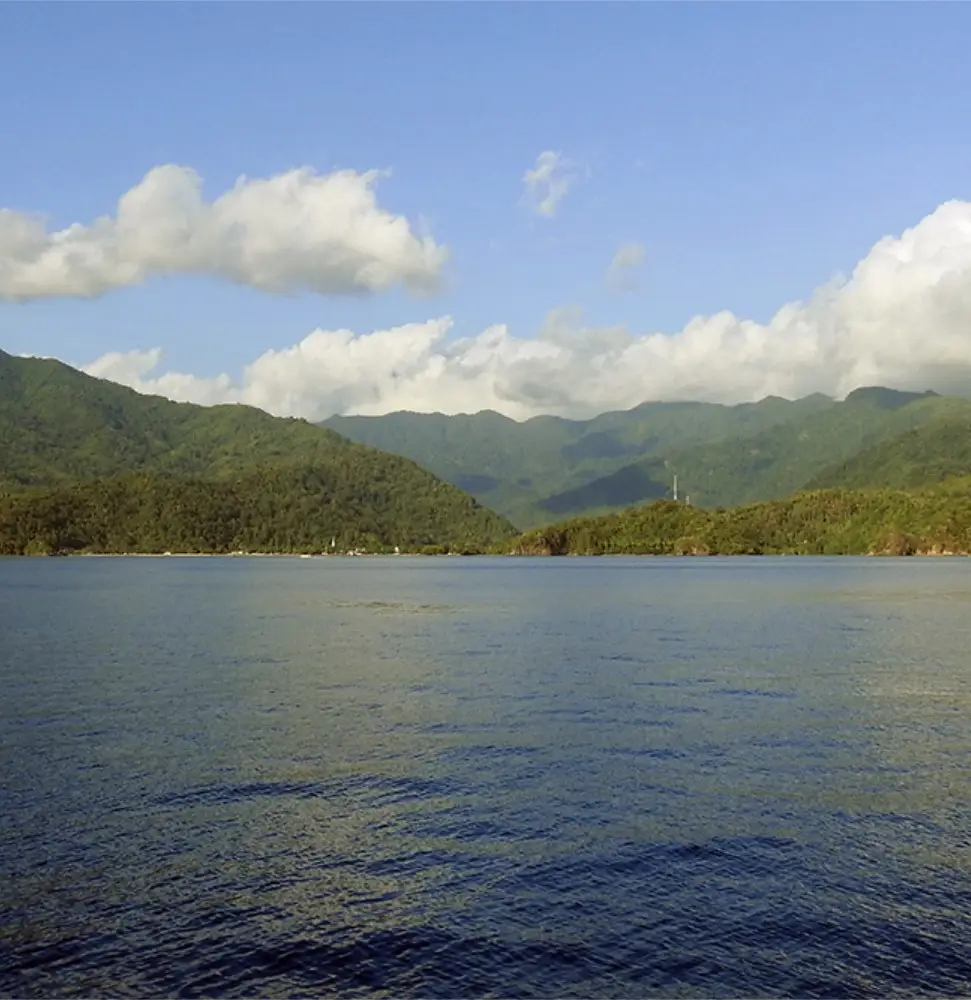
Sangihe
Mount Sahendaruman is the only place on Sangihe Island that still has natural forests and is the last bastion of protection for endemic and endangered animals.